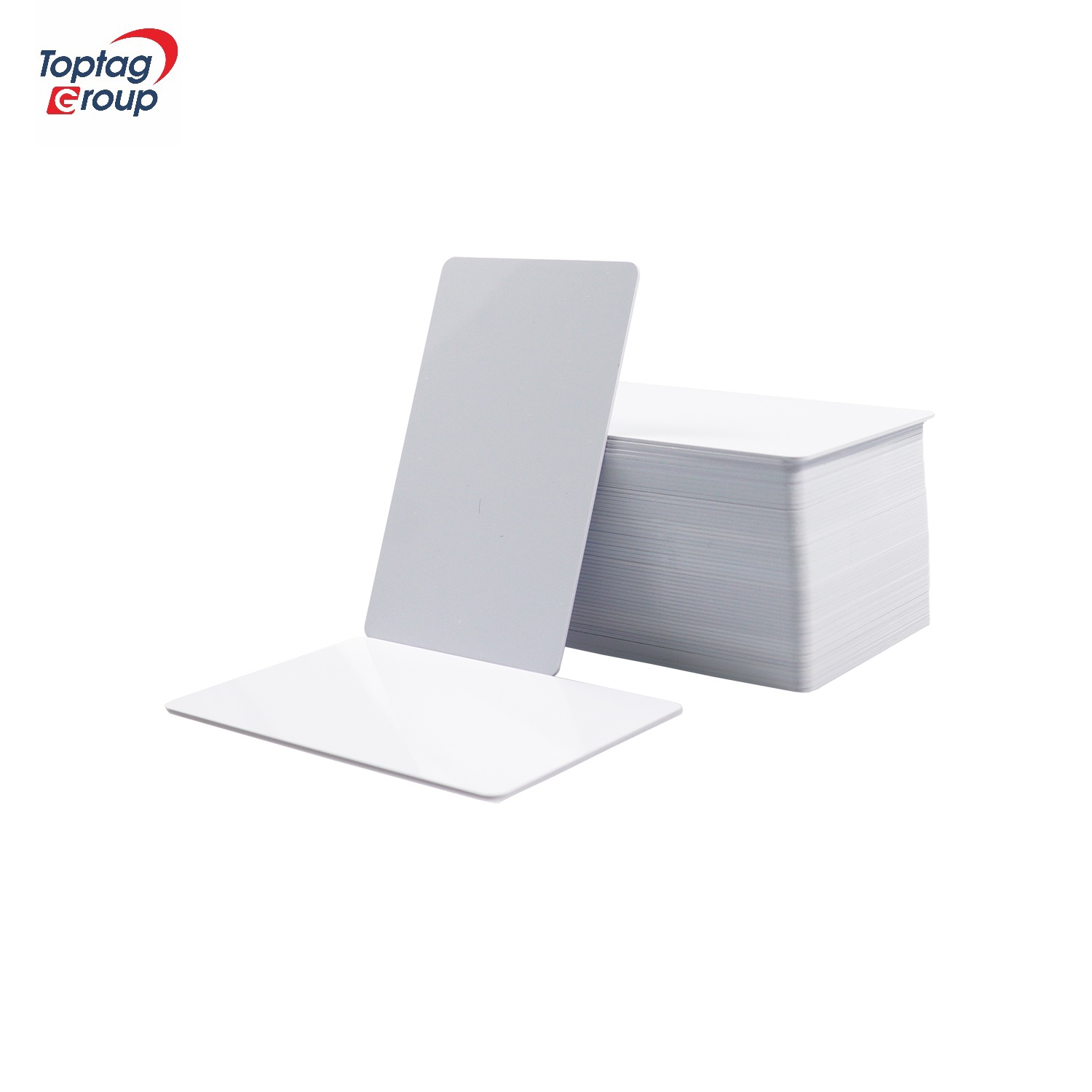

With the continuous development of technology, RFID technology has been widely applied in various fields. RFID (Radio Frequency Identification) is an automatic identification technology that transmits data through radio signals. As an important application form, the selection of RFID card materials has a significant impact on its performance and use.The application of RFID cards on different materials demonstrates diversity and flexibility, and users can choose the appropriate material according to their specific needs. Whether it’s traditional ABS, PVC, high-end metals, or unique wood, each material has its unique characteristics and applicable scenarios. In the future, the development of RFID technology will continue to drive innovation in card materials, and more advanced materials and functions will become possible, making RFID cards better meet people’s growing needs.
1、 RFID card made of ABS material
ABS is a common engineering plastic with good wear resistance and impact resistance. In the production of RFID cards, using ABS material can make the cards more durable and suitable for various environments. RFID cards made of ABS material are widely used in access control systems, employee attendance, library management, and other scenarios. Its characteristics include smooth surface, easy printing, and resistance to chemical corrosion, making ABS material RFID cards one of the preferred choices for many enterprises and institutions.
2、 PVC material RFID card
PVC is a common synthetic plastic with good plasticity and weather resistance. In the application of RFID cards, PVC cards are relatively lightweight, easy to carry, and widely used in fields such as transportation cards and identity recognition. RFID cards made of PVC material can be customized through thermal printing, inkjet printing, and other methods, and their prices are relatively low, making them suitable for large-scale distribution.
3、 RFID cards made of metal materials
Metal RFID cards mainly include stainless steel, copper, aluminum, etc. This type of card is usually used in high-end occasions, such as membership cards, gift cards, etc. Metal RFID cards have the characteristics of high-end feel, strong corrosion resistance, waterproof and dustproof, and are suitable for some special environments, such as amusement parks, high-end shopping malls, etc. However, due to the relatively high cost of metal based RFID cards, they are not very popular in general applications.
4、 RFID card for wooden cards
As an important form of RFID technology application, the material selection of RFID cards directly affects their performance and purpose. RFID cards made of different materials have their own characteristics, and it is crucial to choose the appropriate material based on actual needs and application scenarios. Wooden card is a unique material in RFID cards, mainly including bamboo, basswood, black walnut, maple, cherry wood, saberland, etc. These natural textures and textures of wood make RFID cards more uniquely artistic and environmentally friendly. In the future, with the continuous development of technology and people’s attention to environmental protection, RFID cards made of wood materials are expected to be more widely used in the market.
Bamboo and Wood RFID Card: Bamboo and wood have the characteristics of lightweight, sturdy, and durable, suitable for green and environmentally friendly scenarios, such as ecological parks, green enterprises, etc.
Basswood RFID Card: Basswood wood is soft and easy to carve, suitable for personalized artistic creation. It is commonly used for cultural cards, such as commemorative cards, art appreciation cards, etc.
Black Walnut Wood RFID Card: Black walnut wood has a deep grain texture and a stable color, suitable for high-end gifts, collectibles and other occasions, showcasing noble taste.
Maple RFID Card: Maple wood has a hard and beautiful texture, making it suitable for scenes that require high card texture and ornamental value, such as cultural and creative products.
Cherry wood RFID card: Cherry wood has a bright color and a hard texture, suitable for personalized cards, handicrafts and other fields, showcasing unique taste.
Sabi RFID Card: Sabi wood is hard and has a natural aroma, suitable for high-end gifts, enterprise customization, etc., reflecting personality and quality.
The uniqueness of wooden cards lies in their natural texture and texture. Each card is a unique artwork, in line with modern people’s pursuit of personalization and environmental protection.
5、 RFID cards made of composite materials
In addition to the single material RFID card mentioned above, there is also a composite material card. This type of card combines the advantages of different materials, such as the combination of ABS and PVC, which not only maintains the wear resistance of ABS but also has the plasticity of PVC, making the card more elastic and adaptable. Composite RFID cards can be customized according to needs during the production process, providing users with more flexible choices.
With the continuous advancement of technology, RFID technology and its applications will also continue to evolve. In the future, RFID cards may be more integrated with innovative materials, such as biodegradable materials, to further improve their environmental friendliness. Meanwhile, with the increasing emphasis on data security, the security of RFID cards will also become a focus of attention, and new materials with higher-level encryption technology may emerge. In practical applications, RFID technology may be more widely combined with technologies such as the Internet of Things and artificial intelligence, adding more intelligent functions to cards and further enriching their application scenarios. This may include more complex features such as identity verification, smart payments, and health monitoring, further enhancing the convenience and practicality of RFID cards in daily life.
Related Products