
In the education entrance examination in our country, the management of test papers has always been a thorny issue, which involves a series of complex processes such as the composition, printing, packaging, transportation, distribution, recycling, storage, and historical preservation of test papers, making them incredibly vast. So far, the management of test papers in China is mainly manual, which inevitably leads to the problem of unsatisfactory safety conditions. In this era of informatization, networking, and intelligence, how to use modern technological tools and management methods to establish a secure and efficient examination paper management mechanism and method for Chinese language exams is a problem that needs to be solved in educational examination reform.
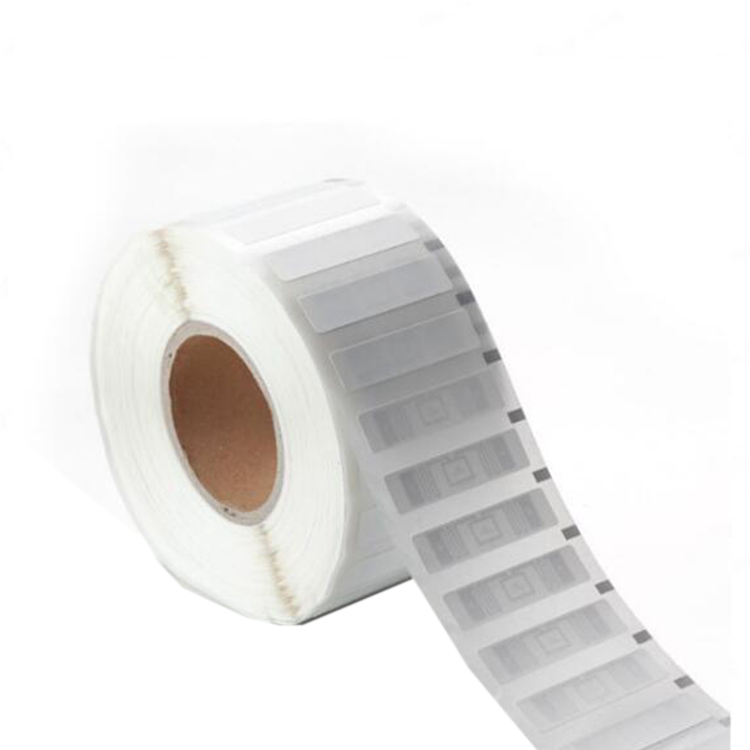
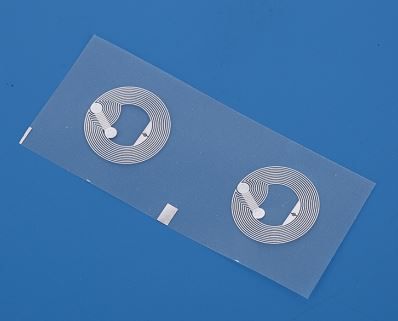
The RFID test paper management system adopts advanced RFID automatic recognition technology and computer software technology, using Yue Ran RFID electronic tags as information storage media and pasting them on the test paper. The detailed information of the test paper is stored in the RFID chip, and RFID reading and writing devices are used in conjunction with the backend data library management system. During the circulation process of the test paper, the system establishes a system from the printing factory to the test paper packaging, distribution, transfer station management, examination point distribution, and collection, The entire process of information tracking to the grading center ensures the confidentiality and security of the test paper to the greatest extent possible.
System organizational structure
1.1 Physical layer:
Each physical space layer mainly covers various nodes throughout the entire test paper process, including printing factories, transfer centers, secondary warehouses, examination rooms, marking centers, and finally storage centers. At each node, RFID collects test paper information.
1.2 Collection and Interaction Layer:
Contains various on-site data collection and user interaction devices, including RFID handheld terminals, RFID fixed readers, RFID channel scanning devices, and RFID tags used to identify test paper information. Provide on-site data collection, data entry, data upload, etc. Provide real-time on-site data collection for the system.
1.3 Data service layer:
Manage devices in the system, collect, cache, and filter data, control instructions, and collect and distribute related data. The data service layer runs on the system server in the form of system software services, providing data services for user application layer and data collection interaction layer, as well as related control instructions.
1.4 Management Center:
Provide a computer software user management interface for scheduling management and remote management of various physical sites, as well as report and data query services. The planning, management control, and data monitoring of test paper management are all provided by the management center.
System function
2.1 RFID data initialization
Tags are the foundation of the entire RFID system, and in the front-end, each electronic tag needs to be encoded and then bound to the test paper to complete the identification of the test paper information by the electronic tag. The information items stored on the test paper label include: identification category, test paper name, test paper number, test paper classification, timeliness, storage method, test paper subjects, and other specific content. The tag is initialized and printed by an RFID printer, and barcode information can also be printed on the tag.
2.2 Handheld management
RFID handheld devices have the characteristics of easy operation and flexible use. At the same time, handheld devices have the advantage of large quantities, dense multi label accurate inventory, and can be used in situations where the number of single reads is not particularly large, such as transfer stations and examination venues. By using an RFID handheld device, it is convenient and efficient to count, verify, and distribute test papers. Meanwhile, the RFID handheld device has a user-friendly interface and is easy to operate.
2.3 Scanning channel recognition
The scanning channel has the characteristics of accurate and automated recognition in a single batch, with stronger reading ability, faster reading speed, and higher efficiency. Therefore, RFID scanning recognition channels are suitable for deployment in large daily entry and exit sites such as general warehouses or central warehouses, and can efficiently and conveniently complete the counting and verification of test paper information.
Application benefits
The application of RFID technology in the construction of an intelligent test paper management system will greatly improve the efficiency of test paper management work. Not only will the speed be improved, but more importantly, the accuracy of counting and verification will also be qualitatively improved. By using RFID for paper counting, not only can we accurately grasp the number of papers, but we can also grasp the types of papers and real-time location information, achieving tasks that manual counting is almost impossible to complete. The application of the intelligent test paper management system is a comprehensive application of multiple RFID technologies, providing more efficient and accurate management methods for the daily management of staff, and also providing more fair and just data support for the examination platform, avoiding hidden dangers caused by human errors. At the same time, it also reduces the cost of test paper management and can play an important social significance. The intelligent test paper management system maximizes the application value of RFID technology in test paper management, achieving true “digitalization, informatization, and intelligence” of test paper management work.
Related Products