
Product Introduction
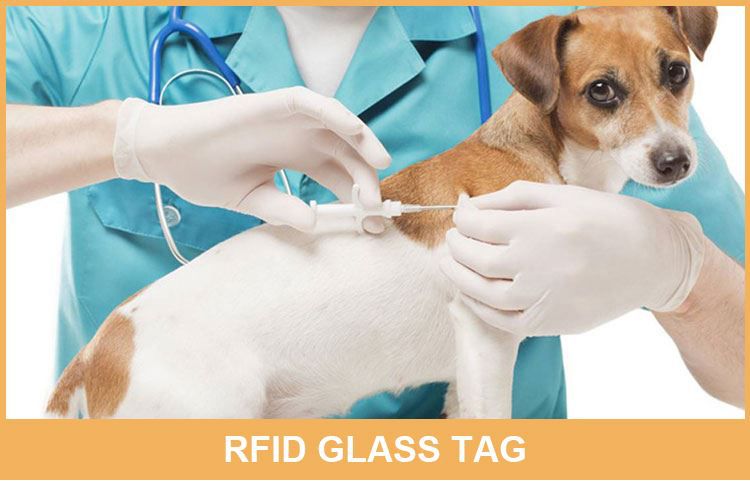
Pet Microchip Glass Tube Tags are designed for permanent animal identification and management.
Each tag integrates an advanced RFID microchip sealed in a biocompatible glass capsule, providing a unique and tamper-proof identity for pets and animals throughout their lifetime.
These microchips are widely used in pet identification, breeding management, epidemic prevention, quarantine control, and animal traceability systems. They are compatible with standard RFID animal scanners and support seamless integration into veterinary, regulatory, and automated management systems.
Key Features
Biocompatible Glass Capsule
The microchip is encapsulated in medical-grade bioglass with excellent biocompatibility.
It is non-toxic, hypoallergenic, and designed to integrate safely with animal tissue, minimizing implantation risks and promoting fast healing.
Compact Implantable Size
The miniature design allows easy implantation without affecting the animal’s normal movement or comfort.
Once implanted, the microchip remains unobtrusive and maintenance-free for the lifetime of the animal.
Easy Implantation
Implantation is performed using a dedicated injector or syringe and can be completed quickly by trained professionals.
The procedure causes minimal stress to animals and is suitable for routine veterinary operations.
High Stability
The glass tube microchip maintains stable performance under a wide range of temperatures and environmental conditions, ensuring long-term reliability in different climates.
Data Security
Each microchip carries a unique identification number that cannot be altered or duplicated, ensuring data authenticity and protection against tampering.
Global Compatibility
The product complies with international animal identification standards and is compatible with global pet registration and identification systems, supporting cross-border recognition.

The Role of Pet Microchip Glass Tube Tags
-
Resolve ownership disputes
The microchip links the animal’s identity to owner information, helping resolve ownership and liability disputes. -
Support entry and exit regulations
Many customs and quarantine authorities require implanted electronic microchips for animal import and export compliance. -
Recover lost or stolen animals
Veterinary clinics, shelters, pet shops, and animal welfare organizations can scan the chip to quickly retrieve owner information, significantly increasing recovery rates. -
Portable electronic medical records
The microchip can be linked to vaccination records, medical history, and health data, enabling more accurate diagnosis and treatment. -
Prevent theft and illegal resale
Verified ownership information helps deter illegal pet trading and simplifies the management of multiple animals.

Applications
-
Pet identification and registration
-
Veterinary clinics and animal hospitals
-
Animal breeding and population management
-
Epidemic prevention and quarantine control
-
Wildlife and endangered species tracking
-
Zoos and animal sanctuaries
-
Asset and inventory identification systems
-
Logistics and traceability systems

Product Maintenance & Usage Notes
-
The microchip requires no battery and no routine maintenance after implantation
-
Designed to last for the lifetime of the animal
-
After implantation, the microchip number must be registered in a recognized database
-
Owner and contact information should be updated promptly when changes occur
-
Ensure scanner compatibility with the microchip frequency before use
-
Pet owners should be informed of the importance of microchip registration and data accuracy
Product Parameter
| Mterial | Bio-glass |
| Working Frequency | 125KHz |
| Chip | TK4100 |
| Memory | 64bits |
| Standard | ISO7814/7815 |
| Dimensions | 1.25*7mm |
| Operating Distance | 2~10cm(base on the reader) |
| Working Life | >100,000times |
| Working Model | Passive |
| Operating Temperature | -25℃~75℃ |
| Stock Temperature | -30℃~80℃ |
Packaging Information
-
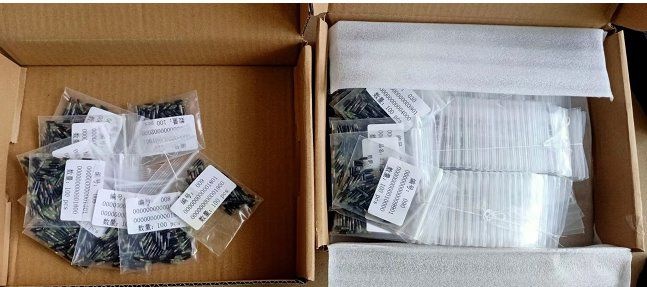
100 pcs / bag
-
10,000 pcs / carton
-
Gross Weight: 1 kg
Specifications
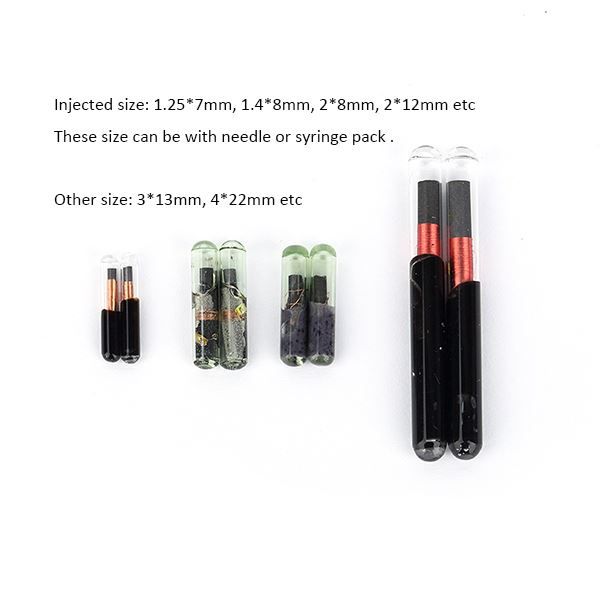
Injection Sizes:
-
2.12 × 12 mm
-
1.4 × 8 mm
-
1.25 × 7 mm
Available with needle or syringe packaging
Other Sizes Available:
-
3 × 13 mm
-
4 × 22 mm
-
Custom sizes available upon request