


Understanding the importance of dog microchipping
Microchipping is a vital aspect of responsible pet ownership, particularly for dogs. It increases the chances of finding a lost dog, as animal shelters and veterinarians often scan lost pets to determine if they have a microchip. The identification number on the microchip can then be used to locate the dog’s owner. Microchipping is a simple and painless procedure that involves implanting a small chip under the dog’s skin, typically between the shoulder blades. By ensuring that your dog is microchipped, you can significantly increase the odds of being reunited with your furry friend should they go missing.
Pe lângă faptul că sporește șansele de a găsi un câine pierdut, microciparea este, de asemenea, o cerință legală în multe zone. Cele mai multe state și municipalități cer ca câinii să fie microcipate și înregistrate într-o bază de date națională. Acest lucru ajută la asigurarea faptului că câinii pierduți sunt reuniți rapid cu stăpânii lor și că câinii vagabonzi sunt identificați și îngrijiți în mod corespunzător. Nerespectarea acestor cerințe poate duce la amenzi sau la alte consecințe legale. Prin microciparea câinelui dumneavoastră, vă puteți asigura că sunteți în conformitate cu toate legile și reglementările relevante.
Microchipping also plays a crucial role in ensuring the safety and well-being of your dog. In addition to providing a means of identification, microchipping can also help to protect your dog from theft or other forms of harm. If your dog is stolen, the identification number on their microchip can be used to track them down and bring them home. Additionally, many shelters and rescues require pets to be microchipped prior to adoption. By microchipping your dog, you can help to ensure that they are protected and cared for throughout their life.
Using a microchip scanner to read the dog’s microchip
The first step in reading a dog’s microchip is locating where the microchip is implanted on the dog’s body. Most microchips are implanted between the dog’s shoulders, but some may be implanted in other locations. To locate the microchip, gently run your fingers along the dog’s body, feeling for a small, raised bump. Once you have identified the location of the microchip, you can move on to the next step of scanning the microchip with a microchip scanner.
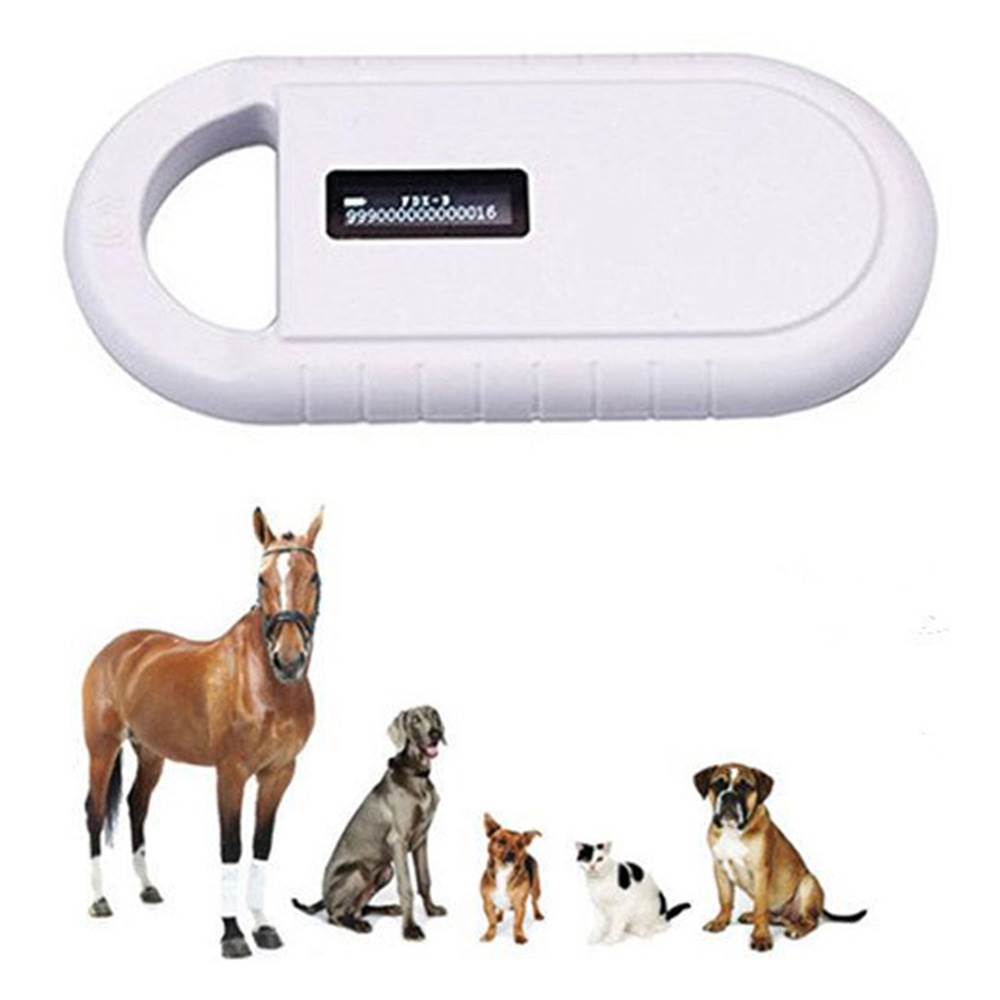
To scan the microchip, start by checking the microchip scanner to ensure that it is functioning correctly. Then, slowly scan the area where the microchip is implanted, using an S-shaped pattern for ten seconds. If the scanner detects a microchip, it will display a unique identification number. This number corresponds with the chip and can be used to identify the dog’s owner.
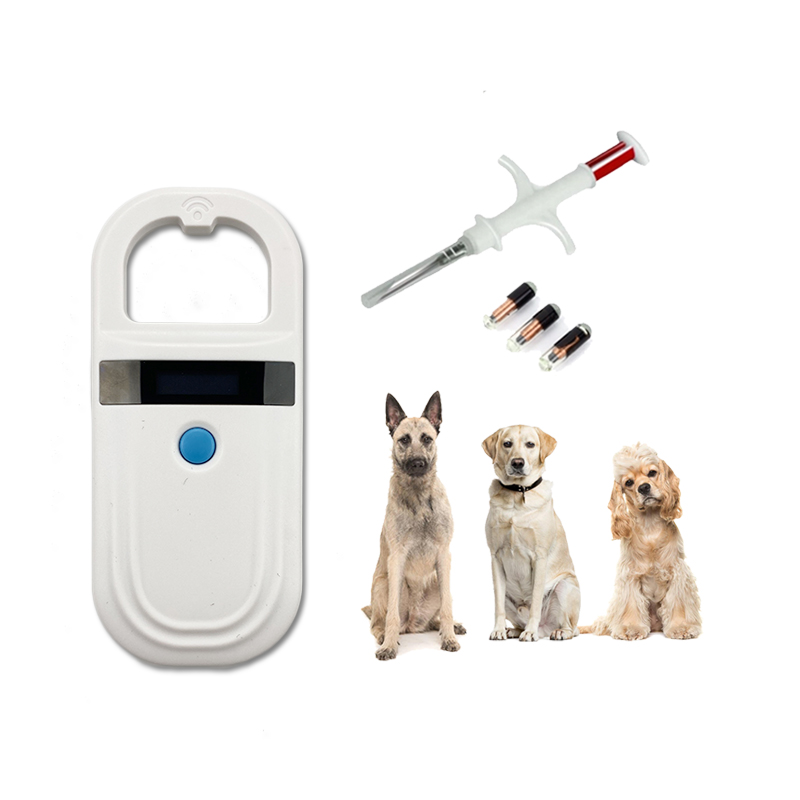
Interpreting the RFID microchip reader number and identifying the dog’s owner is the final step in reading a dog’s microchip. Once you have obtained the identification number from the microchip scanner, you can search a national database to find the owner’s contact information. Alternatively, an animal shelter or vet clinic that finds your pet can contact the registry to get your name and phone number or do an online search of all major microchip registries. It is important to keep the contact information associated with the microchip up-to-date to ensure that the owner can be contacted if the dog is lost or found. By following these steps, you can easily read a dog’s microchip and help reunite lost pets with their owners.
What to do after reading a dog’s microchip
Reading a dog’s microchip can be a crucial step in reuniting a lost dog with its owner. Once you have obtained the microchip number, the first step is to contact the microchip database provider. Many microchip companies have their own registry, and by providing the microchip number, you can obtain the owner’s contact information. If you do not have the microchip number, you can contact the vet’s office where the dog was last seen or have the dog scanned at a local animal shelter.

The next step after obtaining the owner’s contact information is to inform them or the relevant authorities about the found dog. If the owner is known, contacting them directly is the best course of action. If the owner is not known, contacting the local animal control or animal shelter can help in locating the owner. It is important to provide as much information as possible about the found dog, including the location and time it was found, as well as any distinguishing features.
Finally, it is essential to ensure the safe return of the lost dog to its owner. If the owner is local, arrangements can be made for them to pick up the dog. If the owner is not local, transportation arrangements may need to be made. In either case, it is important to ensure that the dog is safe and well-cared for until it can be reunited with its owner. It is also important to follow any instructions provided by the vet regarding the dog’s care after being microchipped. By taking these steps, you can help ensure that lost dogs are reunited with their owners and that they receive the care and attention they need.
Produse conexe
