
RFID (Radio Frequency Identification) and NFC (Near Field Communication) are both wireless communication technologies. Although they all use radio frequency signals for data transmission, there are some important differences in application and technology.
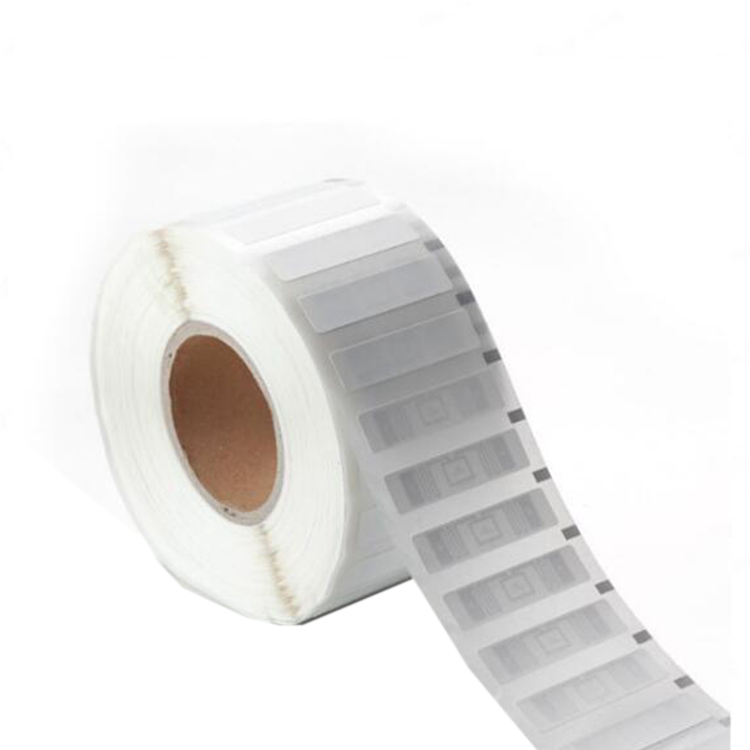
Firstly, RFID is a technology used to automatically identify objects without direct contact. The RFID system consists of two main components: tags and readers. Tags are usually pasted on or near the surface of the recognized object, and readers are used to read or write data stored on the tags. RFID tags can communicate with readers and writers through wireless radio frequency signals without the need for line of sight transmission. Different types of RFID tags can communicate using different frequencies and protocols.
NFC is a wireless communication protocol based on RFID technology that allows two electronic devices to communicate over a very short distance (usually a few centimeters). NFC technology is typically integrated into smartphones and other mobile devices and can be used to implement various applications, such as contactless payments, electronic tickets, smart tags, etc. Unlike RFID, NFC can achieve bidirectional communication, allowing data to be transmitted between two devices.
Secondly, RFID and NFC have some differences in transmission speed and data capacity. RFID is typically used to transmit small amounts of data at lower speeds. This low rate is because the main goal of RFID is to identify and check tags over short distances, rather than for big data transmission. Compared to NFC, NFC can transmit data at a higher speed because it is more commonly used to support mobile payments and other similar applications, which typically require higher transmission rates and larger data capacity.
In addition, RFID and NFC also have differences in application fields and usage scenarios. RFID is mainly used in logistics tracking, inventory management, parking lot management and other fields, and its application range is very wide. The standard RFID system can read multiple labels simultaneously, making it very suitable for automatic recognition of large-scale objects. In contrast, NFC is mainly used in the consumer sector, such as mobile payments, electronic tickets, and smart homes. The short distance communication characteristics of NFC make it more advantageous in terms of security, as users need to communicate at very close distances.
In addition, RFID and NFC also have some technical differences. RFID tags can be passive (no power required) or active (battery powered). Passive tags work by receiving RF energy sent by the reader, while active tags can actively send RF signals. NFC tags are usually passive and do not have batteries, as they rely on wireless electric fields for communication with NFC supported devices. In addition, the frequency of RFID is usually within the LF (low frequency), HF (high frequency), or UHF (ultra-high frequency) range, while NFC uses a frequency of 13.56MHz.
Finally, RFID and NFC also differ in terms of security. Due to the longer working distance of RFID tags, their signals are more susceptible to eavesdropping and interference. Therefore, when using RFID technology for sensitive data transmission, higher security measures may be required. In contrast, the short range communication characteristics of NFC provide higher security, as attackers must be at a very close distance to steal communication data.
Overall, although RFID and NFC are both based on radio frequency communication technology, there are some significant differences in application areas, data transmission speed, data capacity, usage scenarios, technical characteristics, and security. These differences enable RFID and NFC to play their unique roles in different scenarios and applications.
Související produkty