


With the continuous advancement of science and technology, intelligent devices have gradually entered people’s daily lives, especially in the automotive and construction industries, where the use of electronic devices such as smart keys and access cards has become increasingly popular. Through the transmission and reception of radio frequency (RF) signals, they realize fast keyless entry or unlocking functions. However, these convenient technologies also bring privacy and security risks-such as “signal hijacking” and “relay attacks”. In this case, how to effectively shield these signals has become the focus of attention.
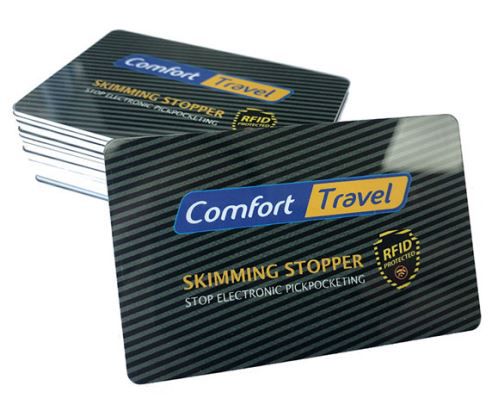
Working principle of key key signals
Modern car keys, access cards and other intelligent devices usually communicate with receiving devices through radio frequency (RF) signals. Taking car keys as an example, the chip in the key sends a signal of a specific frequency through radio waves. After the receiver on the car door receives this signal, it decodes and identifies whether the signal is valid, thereby deciding whether to unlock the door. This process is very convenient, allowing users to unlock without inserting a traditional key into the lock.
However, since the propagation of these wireless signals is unrestricted, anyone with a receiving device may capture these signals within a certain range. By using a relay device, an attacker can capture and transmit the key signal far away from the owner to the door receiver, thereby achieving illegal unlocking. This “relay attack” method has become one of the common means of car theft. Therefore, how to effectively shield or interfere with these signals has become an important measure to protect personal privacy and property security.
Materials for shielding key key signals
In order to prevent signal leakage or prevent malicious attacks, many materials have been studied and applied to shield key key signals. The main function of these materials is to isolate or weaken the propagation of RF signals through conductivity, reflectivity or absorption. The following are several common signal shielding materials:
1. Aluminum foil
Aluminum foil is one of the most common shielding materials. It has become the first choice for many wireless signal shielding products because of its lightness, cheapness and good conductivity. Aluminum foil can be easily wrapped around items such as keys, mobile phones or wallets to form a complete shielding layer to prevent the entry of external signals. Its shielding principle is mainly to reflect electromagnetic waves and reflect the signal back, thereby reducing signal leakage.
Although aluminum foil has a low cost, it has poor durability and is easy to break or tear. In addition, aluminum foil has a good shielding effect on low-frequency signals, but it may not be effective for high-frequency signals (such as some new smart key signals). Therefore, in some demanding application scenarios, aluminum foil may be replaced by more efficient materials.
2. Copper mesh or copper wire
Copper is a metal with very good electrical conductivity, and it is often used in radio shielding materials. Copper mesh or copper wire woven materials have a very significant effect in shielding signals, especially for high-frequency signals. Copper mesh reflects or absorbs signals through its conductive properties, thereby blocking the transmission of signals. Compared with aluminum foil, copper mesh not only has higher durability, but also provides stronger signal shielding capabilities.
The disadvantage of copper mesh is that it is more expensive and requires a certain manufacturing process. The shielding effect of copper mesh is also affected by the size of the mesh, and larger pores may cause signal leakage. In addition, copper mesh is relatively rigid and not as flexible as other materials, so it may not be as suitable as other materials such as conductive fabrics in some applications that require high flexibility.
3. Conductive fabric
Conductive fabric is woven from conductive fibers and conventional fabrics. This material not only has good conductivity but also has a certain degree of flexibility. Conductive fabric is widely used in making signal shielding bags, mobile phone cases, key card protection bags, etc. It can effectively block the transmission of RF signals by wrapping or covering with an outer layer.
The advantage of conductive fabric is that it is soft and easy to process, and is suitable for various forms of products, such as bags, wallets, clothing, etc. This makes it one of the most common signal shielding materials in daily life. Compared with metal materials, the price of conductive fabric is relatively low, but its shielding effect on high-frequency signals may be slightly inferior.
4. Metal coating
Some plastic or fiber materials are coated with a layer of metal coating (such as aluminum, copper, nickel, etc.) to form a thin and strong metal barrier. This metal coating can not only effectively reflect and absorb RF signals, but also improve the durability of the material. Metal-coated materials are usually used in high-end protective products, such as smart key protectors, car key protective covers, etc.
The advantage of metal coating is that it combines high strength and lightness, which can not only effectively shield signals, but also maintain the beauty of the material. Compared with aluminum foil, metal-coated materials have a longer service life and are more suitable for long-term use applications. However, the cost of metal-coated materials is high and the manufacturing process is more complicated.
5. Nickel-steel alloys and steel
Nickel-steel alloys and steel are often used in some industrial-level signal shielding applications due to their strong conductivity and durability. In high-demand areas such as automobiles and industrial equipment, these materials can effectively shield high-frequency RF signals. Nickel-steel alloys are not only strong but also corrosion-resistant, so they can maintain good shielding performance in some harsh environments.
However, steel and nickel-steel alloys are heavy and expensive to manufacture, making them unsuitable for daily consumer products. Therefore, they are mainly used in scenarios with extremely high signal shielding requirements and long-term use.

Considerations when selecting shielding materials
When choosing the right shielding material, you need to weigh multiple factors. Here are a few key considerations:
1. Signal frequency and shielding requirements
Different materials have different shielding effects on radio waves of different frequencies. Some materials, such as aluminum foil, have good shielding effects on low-frequency signals, but may not be effective for high-frequency signals (such as new smart key signals). When selecting a material, you need to ensure that it can effectively cover the frequency range of the target signal.
2. Durability and flexibility of materials
If you need to use it frequently or carry it in daily life, the durability and flexibility of the material are important considerations. For example, conductive fabrics and metal-coated materials have better flexibility than copper mesh and aluminum foil, and are suitable for daily accessories such as wallets, bags, and protective covers.
3. Cost and production process
The cost of different materials varies greatly, especially the prices of high-end materials such as copper mesh and nickel-steel alloy are relatively high. In daily consumer products, aluminum foil and conductive fabrics are low in cost and suitable for mass production. For high-end protective products, such as high-performance car key protection bags or smart wallets, higher-performance materials such as metal coatings or copper mesh may be used.
Future development trends
With the continuous development of wireless technology, especially the popularization of 5G and higher-frequency band communication technology, how to effectively shield higher-frequency signals will become an important direction for future shielding material research. In addition, with the improvement of environmental awareness, shielding technology of degradable or environmentally friendly materials has gradually attracted attention. In the future, new materials that are more efficient, environmentally friendly and have stronger shielding performance may appear, which can better meet the needs of modern society for privacy protection and security.
The popularity of smart keys and wireless devices has made the demand for signal shielding materials more important. Whether it is simple aluminum foil, conductive fabric, or more complex metal coating, copper mesh material, each shielding material has its unique advantages and disadvantages. With the development of technology and the diversification of application scenarios, the types and performance of shielding materials are also constantly improving. By reasonably selecting shielding materials, personal privacy and property safety can be effectively protected, providing users with a more secure life experience.