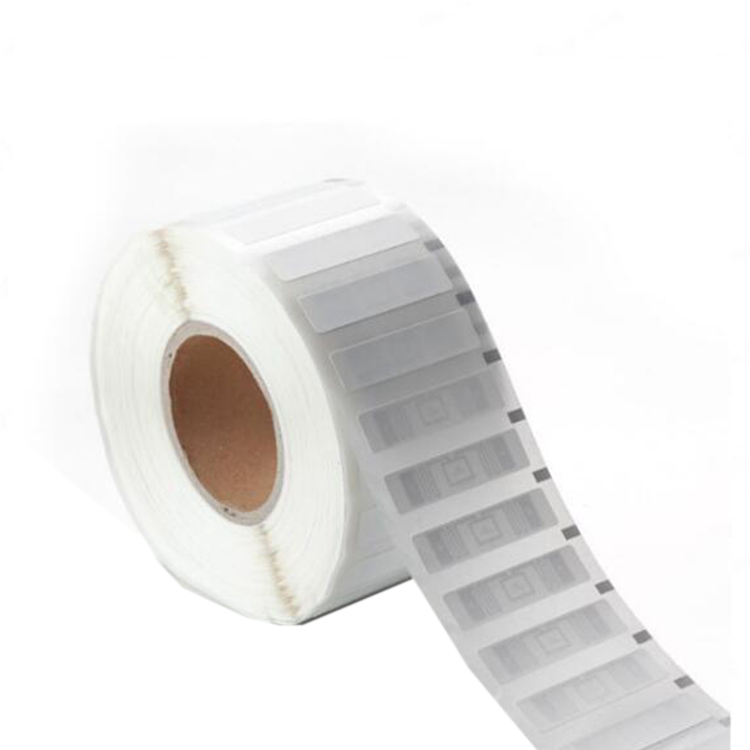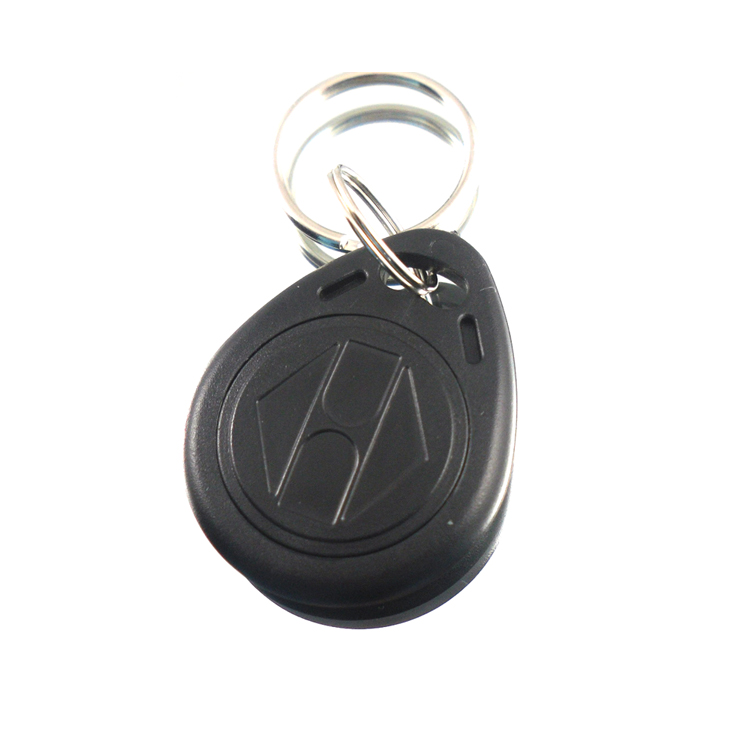

RFID (Radio Frequency Identification) technology, also known as electronic tags or wireless radio frequency identification, is a technology that uses radio frequency signals to automatically identify target objects and obtain relevant data. RFID technology uses wireless radio frequency for non-contact bidirectional data communication, using wireless radio frequency to read and write recording media (electronic tags or radio frequency cards), in order to achieve the goal of identifying targets and exchanging data.
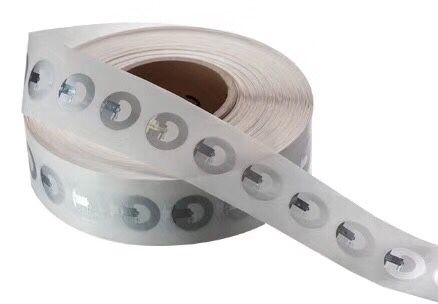
What are the characteristics of RFID technology?
1. Reliability and durability
There is no mechanical contact between the RFID tag and the reader, avoiding reading and writing errors caused by poor contact. Even in harsh external environments such as dust, oil stains, or darkness on the tag, it does not affect the reading and writing of the tag. In addition, there are no exposed chips on the surface of the tag, so there is no need to worry about chip detachment, electrostatic breakdown, bending damage, etc. Therefore, the service life of RFID electronic tags is relatively long.
2. Read/write performance of non-contact data
Through RFID readers, information can be directly read into the database in a non-contact operation state, and multiple tags can be processed at once. The logistics processing status can be written into the tags for the next stage of logistics processing reading and judgment. The reading and writing distance of tags ranges from a few centimeters to several tens of meters, suitable for relatively short distance wireless transmission of information, such as point information exchange between running trains and the ground.
3. Fast and convenient
The RFID reader/writer can simultaneously recognize and read multiple RFID tags, greatly improving work efficiency. Due to the use of non-contact communication, the reader can operate the card within a range of a few centimeters to tens of meters, so there is no need to perform insertion and extraction work like IC cards. When in non-contact use, there is no directionality, and the card can sweep over the surface of the reader from any direction, greatly improving the speed of use and completing reading and writing operations in a very short time.
4. Large data memory capacity
The capacity of a one-dimensional barcode is 50B, the maximum capacity of a two-dimensional barcode can store 1108B, and the maximum capacity of an RFID is several megabytes. With the development of memory carriers, there is also a trend of continuous expansion of data capacity. The amount of information required for future items to carry will continue to increase, and the demand for expanding the capacity of labels will also correspondingly increase. There are multiple partitions in RF, each with its own password, so different partitions can be used for different applications, achieving one card for multiple purposes.
5. Security
Due to the electronic nature of information carried by RFID, its data content can be password protected, making it less susceptible to forgery and alteration. The serial number of RFID tags has uniqueness, and the manufacturer has solidified this serial number before the product leaves the factory and cannot change it again. The reader can verify the legitimacy of the tag, and the tag can also verify the legitimacy of the reader. Before processing, the card needs to authenticate with the reader, and all data is encrypted during the communication process. In addition, each part of the RFID tag has its own operation password and access conditions.
6. Reusability
RFID tags are electronic data that can be repeatedly added, modified, or deleted from the data stored in RFID tags, facilitating information updates. Therefore, the recycled RFID tags can be reused. If it is a passive label, it can be used without a battery and there is no need for maintenance and upkeep.
7. Smaller size and more diverse shapes
RFID tags are not limited by size or shape in reading, and do not need to be matched with fixed paper size and printing quality for reading accuracy. In addition, RFID tags can be developed into miniaturization and diverse forms to be applied to different products.
8. Anti collision mechanism
RFID tags have a fast anti-collision mechanism that can prevent data interference between tags. Therefore, the reader can process multiple non-contact tags simultaneously, and can process multiple tags simultaneously.
9. Penetration and barrier free reading
When covered, RFID tags can penetrate non-metallic or non-transparent materials such as paper, wood, and plastic to exchange information with readers and writers. Only iron metal, due to its shielding effect, hinders the propagation of electromagnetic waves and prevents normal communication.
관련 제품