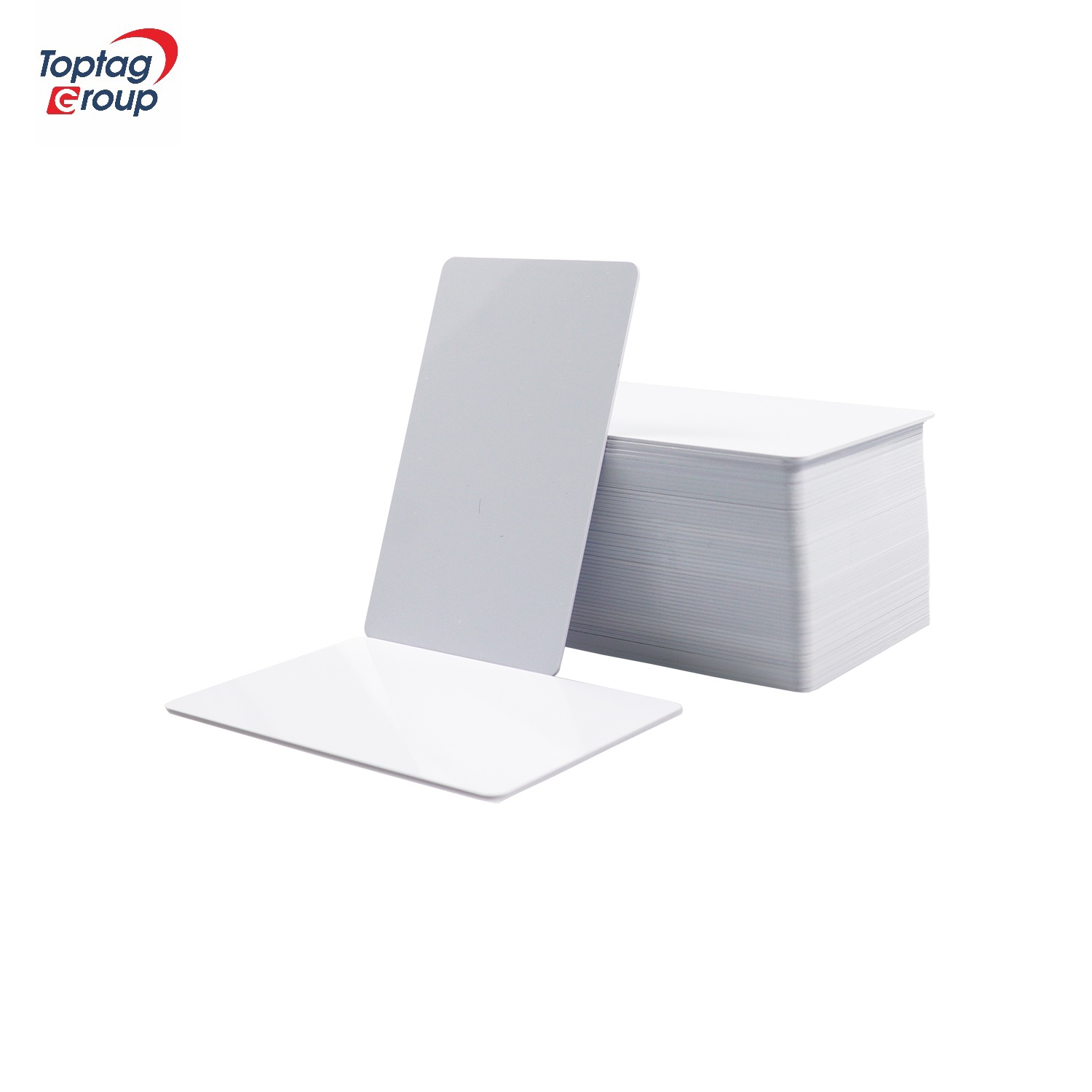

A smart card is a unique, complex, and advanced information processing system composed of electronic information storage and processing devices that can be used to confirm identity and/or control permissions. It can handle advanced feature information and store a large amount of data. Smart cards can identify identity or control permissions in various ways, such as magnetic stripes or fingerprints. Smart card is a significant product in modern information processing technology, which combines computer technology, communication technology, and electronic storage technology. It is known for its unique functions. With the rapid development of technology, Radio Frequency Identification (RFID) technology is gradually demonstrating its powerful application potential in various fields. As a wireless communication technology, RFID smart cards not only have fast and efficient data transmission capabilities, but also have advantages such as long-distance recognition and anti-counterfeiting traceability.
1、 Financial sector
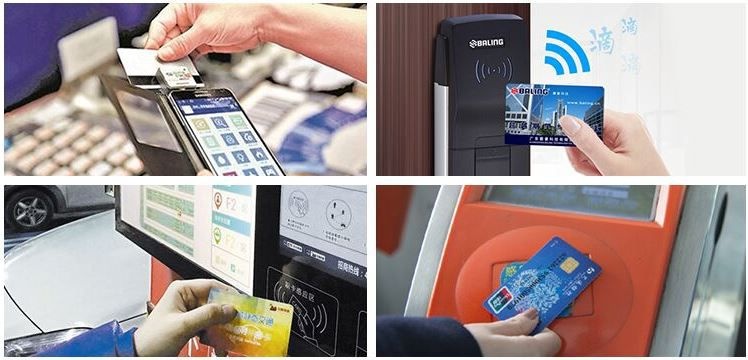
In the financial field, the application of RFID smart cards covers multiple aspects, providing users with more convenient and secure services. Firstly, RFID smart cards, as payment tools, can be connected to the systems of financial institutions to achieve contactless payment. Users only need to place the card close to the POS terminal to complete the transaction, greatly improving payment efficiency and reducing waiting time in queues. Meanwhile, the anti-counterfeiting and encryption capabilities of RFID technology make the payment process more secure and reliable, effectively preventing the risks of theft and information leakage. Secondly, RFID smart cards can also be used for identity verification and credential management. By binding RFID smart cards with user identity information, it is possible to effectively prevent identity impersonation and fraudulent behavior. In business scenarios such as ATM machines and online banking, users only need to swipe their RFID smart cards to complete identity verification, without the need to enter cumbersome passwords, improving the user experience. In addition, RFID smart cards can also be used for internal access management and device control within financial institutions. By associating RFID smart cards with employee identity information, permission management for specific areas and devices can be achieved, ensuring security and order within financial institutions.
2、 Public transportation sector
The application of RFID smart cards in the field of public transportation is one of its popular typical cases. Traditional transportation cards often require contact swiping, while the contactless nature of RFID technology allows users to simply place the card close to the reader and complete operations such as boarding and passing through gates. This not only improves the efficiency of riding, but also reduces pedestrian congestion and improves the situation of urban traffic congestion. The application of RFID smart cards in the field of public transportation is not limited to urban public transportation systems, but also includes various modes of transportation such as subways, light rails, and trams. Users only need to carry an RFID smart card to seamlessly switch between different modes of transportation and achieve one card access. This convenient payment method not only provides convenience for urban residents to travel, but also improves the operational efficiency of the public transportation system. In addition to payment functions, RFID smart cards are also widely used in the field of public transportation for identity verification and information management of passengers. By binding with personal information, the system can real-time understand the boarding situation of passengers and provide targeted services and management methods for operators.
3、 Access control management field
The application of RFID smart cards in the field of access control management has long become a standard feature in various places. Traditional access cards require card insertion or swiping, while the contactless nature of RFID smart cards not only improves travel efficiency but also reduces card damage caused by wear and tear. RFID smart cards have become an important means of access control in various places such as enterprises, schools, hospitals, and public venues. The use of RFID smart cards can be linked to personal information to achieve permission management for different personnel. Managers can set access permissions for different areas as needed, ensuring that only personnel with corresponding permissions can enter. This flexible permission management method provides more security guarantees for various places. In addition, RFID smart cards can also be combined with video surveillance, facial recognition and other technologies in the field of access control management to build a more intelligent access control system. Through this approach, not only can the security of the access control system be improved, but more precise monitoring and management of personnel flow can also be achieved.
4、 Logistics distribution field
In the field of logistics and distribution, the application of RFID smart cards provides a more convenient and accurate means for the management of the entire logistics chain. Firstly, in terms of goods management, RFID smart cards can be embedded into the packaging of goods to achieve real-time tracking of goods. Through RFID reading and writing devices, logistics companies can obtain information about the location and transportation status of goods at any time, improving the efficiency of goods management. RFID smart cards can also be used for vehicle management in the field of logistics and distribution. By associating RFID smart cards with vehicles, real-time monitoring and management of vehicles can be achieved. During the delivery process, logistics companies can use RFID technology to understand real-time location, operational status, and other information of vehicles, improving vehicle scheduling efficiency and transportation safety. In addition, RFID smart cards can also be used for inventory management in the logistics field. By binding RFID tags to inventory items, precise management of inventory can be achieved, avoiding the problem of inventory stagnation or backlog caused by inaccurate inventory information. This has a significant effect on improving warehousing efficiency and reducing inventory costs.
5、 Digital identification field
In the field of digital identification, RFID smart cards have a wide range of applications, including libraries, museums, and product traceability. Firstly, in libraries and museums, RFID smart cards can be used for the process of borrowing and returning books and artifacts. Readers or tourists only need to place their RFID smart cards close to the relevant devices to complete the borrowing and returning operations, greatly improving work efficiency. In terms of product traceability, RFID smart cards can be used to track the production, circulation, and sales processes of goods. By embedding RFID tags on product packaging, unique identification and real-time tracking of products can be achieved. This plays an important role in ensuring product quality, preventing the inflow of counterfeit and inferior goods into the market, and improving the transparency and controllability of the commodity supply chain. In addition, RFID smart cards also have strong application potential in digital identification such as electronic identity cards and electronic ticketing. By associating personal information with RFID smart cards, digital identification functions can be achieved in various scenarios such as identity verification, electronic ticketing, and conference check-in, providing strong support for the digital transformation of modern society.
Insgesamt sind RFID-Smartcards zu einem unverzichtbaren Bestandteil verschiedener Branchen im täglichen Leben geworden. Ihre Vorteile – berührungslos, effizient und sicher – bieten praktische und präzise Lösungen für unterschiedliche geschäftliche Szenarien und fördern die Entwicklung von Digitalisierung und Intelligenz in diversen Branchen. In Zukunft werden RFID-Smartcards dank der fortlaufenden Innovationen in der RFID-Technologie und der Erweiterung ihrer Anwendungsbereiche ihr großes Potenzial in noch mehr Bereichen ausspielen und allen gesellschaftlichen Sektoren mehr Komfort und Innovation bringen.
Verwandte Produkte