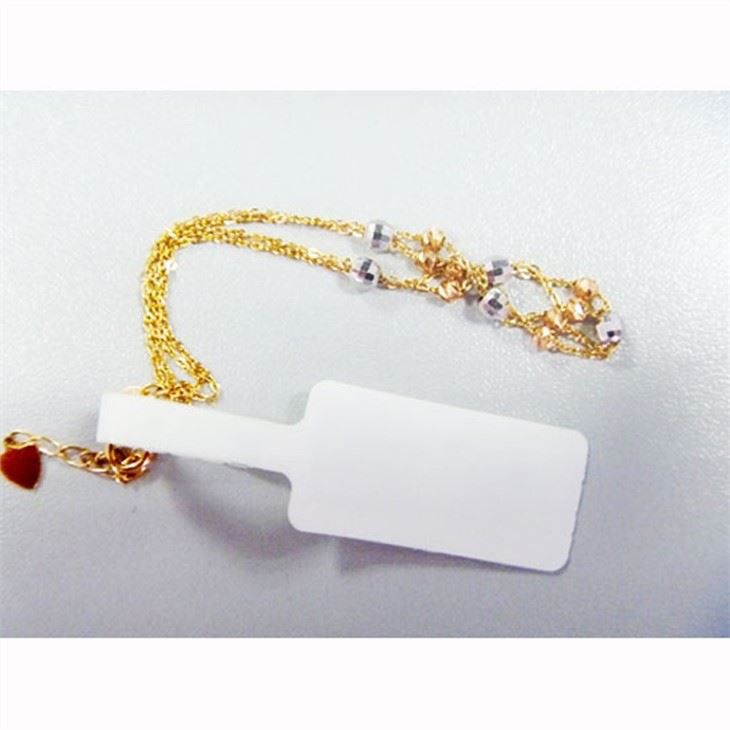
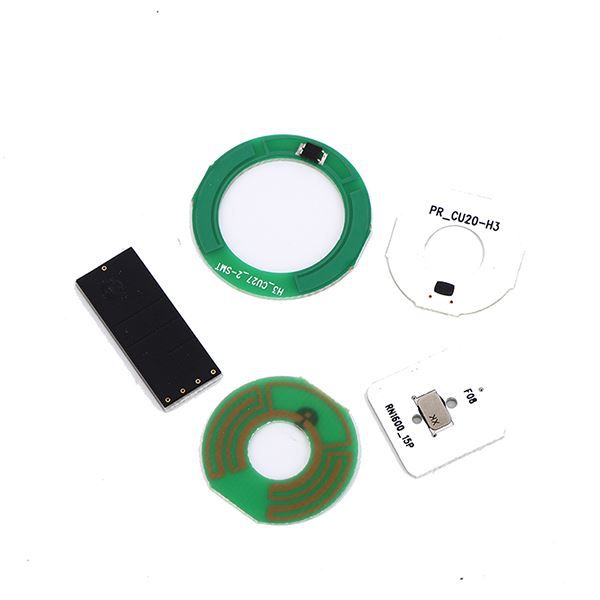
The library management uses RFID, which can achieve efficient management of books. For example, RFID technology can be used for automated library management, including book borrowing, return, inventory, and so on. At the same time, RFID technology is gradually emerging in the field of archive management. For example, RFID technology can be used for automated archive management, including archive storage, retrieval, borrowing, etc., mainly applied in scenarios such as universities, public security organs, and administrative offices. At present, the shipment volume of archive cabinets is in a stage of rapid growth, maintaining an annual growth rate of about 30%.
1. Improve the efficiency of book management and inventory, and collaborate on the positioning of books
RFID technology can provide efficient book management solutions for libraries. Traditional barcode scanning requires scanning the barcodes of each book one by one, while RFID technology can scan multiple books at once, greatly improving the speed of book inventory. The precise positioning of RFID tags also brings precise positioning of books, making it more convenient for libraries to find the books they need and improving the efficiency of book borrowing and returning. In large-scale libraries, RFID technology has leveraged its advantages to achieve rapid inventory of the entire library collection, shorten the inventory cycle, and provide libraries with a faster and more convenient way of book management.
2. Reduce the number of management personnel in libraries and other places, and lower operating costs
The introduction of RFID technology not only improves the management efficiency of libraries, but also reduces operating costs. Due to the ability of RFID technology to achieve automated functions such as book borrowing, returning, and inventory, libraries can reduce the need for manual intervention. Compared to traditional manual inventory methods, RFID technology can significantly reduce reliance on management personnel, lower labor costs, and make libraries operate more economically and efficiently. The library can transfer the human resources originally used for manual operations to more valuable aspects such as reader services and book promotion, improving the overall service level of the library.
3. Read books from the library for association and tracking, reducing the occurrence of book loss incidents
Another important application of RFID technology is to associate and track books, effectively preventing book loss. Each book is embedded with RFID tags, allowing the library to monitor the location of books in real-time and detect anomalies in a timely manner. When readers attempt to illegally take books out of the library, the RFID system can automatically issue an alarm to remind library staff, effectively reducing the occurrence of book loss incidents. This association tracking function also makes the library more rigorous in the book borrowing process, providing a safer environment for the library.
4. Guide, identify, track, inventory, manage paper materials such as archives and files
In addition to library management, RFID technology can also play an important role in archive and file management. The traditional paper-based archive management method usually requires manual recording, which is prone to omissions or confusion. After the introduction of RFID technology, each file or file can be uniquely identified, and automatic identification, tracking, inventory, and management of files can be achieved. The development of this application field not only improves the accuracy and efficiency of archive management, but also provides more convenient information retrieval methods for organizations and institutions, strongly supporting the promotion of information-based office.
5. Provide a new book business model and add new solutions for unmanned management
The development of RFID technology not only improves the efficiency of library management, but also provides new business models for libraries and promotes unmanned management. By combining RFID technology and self-service borrowing and returning devices, the library can achieve 24-hour uninterrupted service, allowing readers to conveniently borrow and return books without library staff. This unmanned management model not only improves the service level of the library, but also creates more borrowing opportunities for the library. In addition, the widespread application of RFID technology has brought opportunities for data mining and analysis to libraries. Through in-depth analysis of data such as reader borrowing behavior, libraries can better understand reader needs, provide scientific basis for book procurement and collection management, and achieve more accurate book recommendations.
The market value of RFID technology in libraries is not only reflected in improving book management efficiency and reducing operating costs, but also in reducing book loss incidents, managing paper materials, and promoting unmanned management, demonstrating strong potential. With the continuous progress of technology, RFID technology will continue to bring more innovation and development opportunities to libraries, providing solid technical support for the modernization of the library industry. In the future, with the continuous evolution of RFID technology, libraries will usher in a more intelligent, convenient, and efficient management mode, providing readers with a better reading experience.
Související produkty